M&E Contrax Resources
Air Source Heat Pumps for Older Homes

Resource Highlights:
Older homes can be suitable for air source heat pumps, but heat loss, insulation, radiator sizing, and hot water setup all need checking properly.
You do not always need major changes, but some properties benefit from targeted upgrades to get the best results.
The key to success is not the age of the house, it is whether the system is designed around how the building actually performs.
A practical guide to suitability, comfort, and what to check before you install
Older homes often have more character, more quirks, and more variation than newer properties. That is exactly why many homeowners assume heat pumps are only suitable for new builds.
In reality, air source heat pumps can work very well in older homes, but the outcome depends on design, not guesswork. The right survey, the right heat loss calculations, and the right supporting upgrades, where needed, are what make the difference between a system that works well and one that disappoints.
This guide explains what matters most when fitting an air source heat pump in an older property, what to expect, and how to plan the project properly.
Why older homes need a different approach
The main difference with an older home is that there is more variation in how it retains heat.
Some older properties have already had:
loft insulation upgrades
double glazing
better draft sealing
modern heating controls
radiator replacements
Others still lose heat more quickly because of:
drafty doors and windows
low insulation levels
older heating layouts
solid walls or hard to treat construction types
That does not mean a heat pump is not suitable. It means the property needs a proper assessment first.
Start with heat loss, not the heat pump
The first step in any older home should be understanding how the building loses heat.
A good survey should assess:
loft insulation
walls and floor construction
windows and doors
drafts and ventilation
room sizes and layout
existing heating distribution
This is what tells you what size system is needed and whether simple improvements could make the property more comfortable and efficient before installation.
Why this matters
A heat pump should be sized around the building’s real heat demand. If that is not done properly, performance and comfort can suffer.
Insulation improvements can make a big difference
Older homes do not need to be perfect to work with a heat pump, but some level of heat retention is important.
Useful improvements may include:
topping up loft insulation
addressing obvious drafts
improving heating controls
upgrading specific windows or doors where heat loss is high
This is not about stripping away the character of the property. It is about making sensible changes that help the heating system work more efficiently.
In many cases, even modest improvements can make the overall system more effective.
Radiators and lower temperature heating
One of the biggest misconceptions is that heat pumps only work with underfloor heating.
That is not true.
Many older homes can work very well with radiators, but the radiator sizes need to be checked properly. Heat pumps usually run with lower flow temperatures than traditional boilers, so emitters need to be sized to deliver enough warmth steadily.
A survey should review:
radiator sizes room by room
whether any rooms need upgrades
whether certain spaces are already well suited
whether underfloor heating exists anywhere in the property
In many homes, only a few radiator upgrades are needed, not a full replacement throughout.
Hot water and cylinder planning
Most air source heat pump systems use a hot water cylinder.
Older homes may already have:
an older cylinder that is not ideal for a heat pump
limited airing cupboard or utility space
unusual hot water demand patterns
This is part of the design process, not a problem in itself.
A good installer will assess:
your household hot water use
cylinder location and size
whether a cylinder upgrade is needed
how the pipework and controls will work together
Getting hot water right is a major part of overall satisfaction with the system.
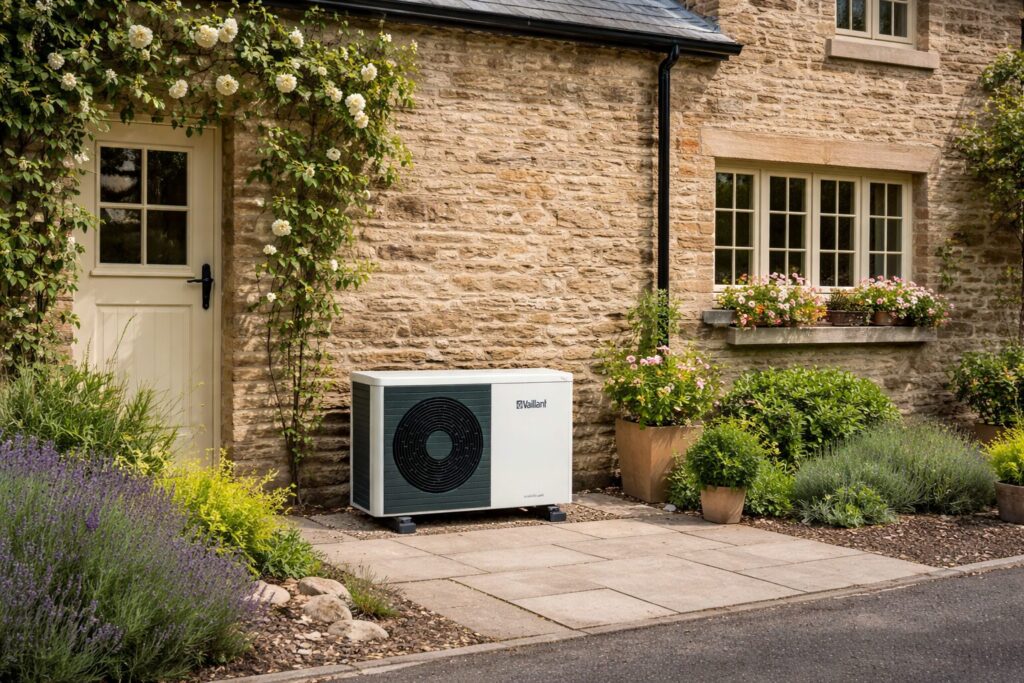
Outdoor unit placement matters
The outdoor unit needs the right location for:
airflow
maintenance access
sensible pipe runs
low visual impact where possible
practical noise management
Older homes often have more varied layouts, side passages, outbuildings, courtyards, gardens, which can either create good opportunities or extra design constraints.
A proper site survey helps identify the best location early, so the installation is practical and tidy.
Are air source heat pumps worth it for older homes?
For many homeowners, yes, they can be.
An air source heat pump is often worth considering when:
you are replacing oil, LPG, or an older inefficient system
you want a lower carbon heating option
you are planning wider energy upgrades
you are willing to design the system properly, rather than expect a direct boiler swap with no assessment
What makes it worthwhile is not just the equipment. It is the full system design, from heat loss to radiators to controls.
Common types of older homes
Air source heat pumps can work in a wide range of property types, including:
Victorian and Edwardian homes
cottages and rural properties
solid wall homes
older extensions and mixed age properties
renovated period homes
The important point is this: two houses that look similar from the street can behave very differently. That is why proper assessment matters more than assumptions.
Common mistakes to avoid
Assuming older homes are not suitable
Many older properties can work well with a heat pump. The issue is not age alone, it is heat loss and system design.
Treating it like a boiler swap
A heat pump needs a proper design process. Simply swapping one heat source for another without reviewing the rest of the system can lead to poor results.
Ignoring radiator sizing
Some radiators may be perfectly fine, others may need upgrading. Guesswork here can affect comfort.
Skipping insulation checks
You do not need perfection, but obvious heat loss issues should be identified early.
Not planning hot water properly
Cylinder location, size, and compatibility matter just as much as space heating.
Useful links
Simple overview
If you want the simplest approach, follow this order:
Start with a survey to understand heat loss and the current heating setup
Identify simple insulation or draft reduction improvements first
Check radiator sizing room by room
Review hot water cylinder suitability and available space
Plan outdoor unit location with airflow, access, and appearance in mind
Design the system around the property, not around assumptions about older homes
This avoids the most common problems, poor sizing, unrealistic expectations, and avoidable comfort issues.
Frequently Asked Questions
Yes, they can. The key is a proper heat loss survey and system design that matches the property.
Not always. Some properties only need upgrades in certain rooms.
Yes, if the system is designed correctly. Heat pumps are designed for steady, consistent comfort rather than short bursts of high heat.
Many are, but planning, space, insulation, and heating layout all need to be assessed carefully.


Download a copy of this resource
Our resources are available for you to download, enter your details below and we will e-mail you a download link.


