The Smart Export Guarantee (SEG)
The Smart Export Guarantee (SEG) is the scheme that pays eligible homes and businesses for the renewable electricity they export back to the national grid.
Let’s Get Started Today!
Let’s discuss what’s possible.


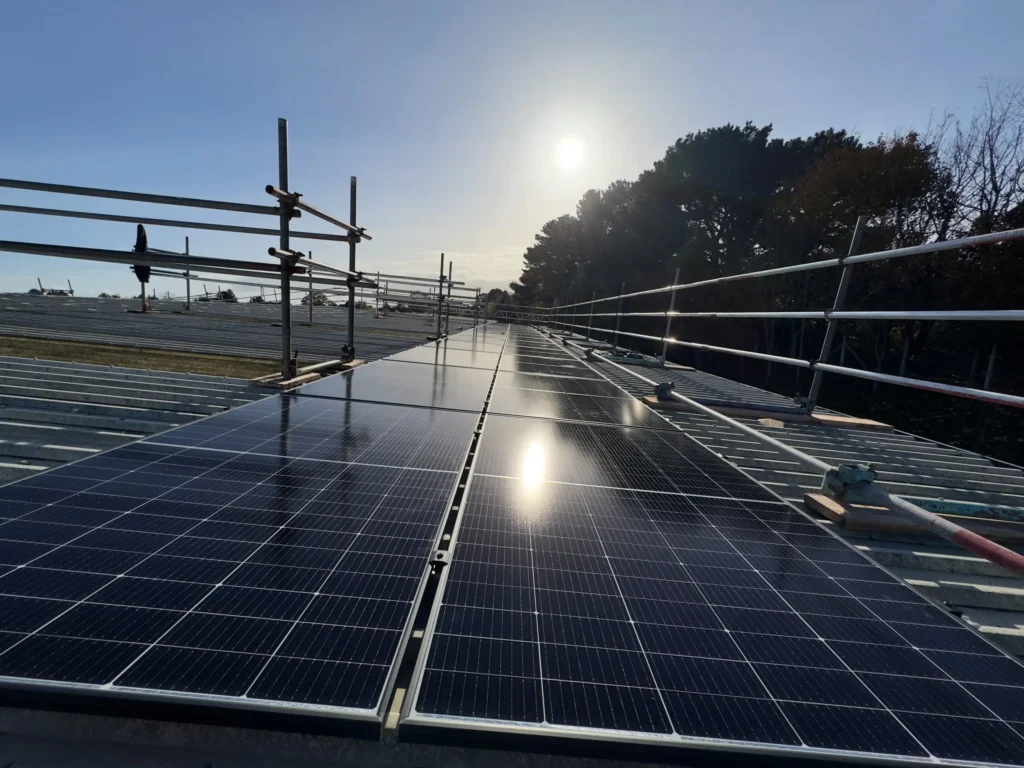
What is The Smart Export Guarantee (SEG)
The Smart Export Guarantee (SEG) is a UK scheme that pays you for renewable electricity you export back to the national grid. If you generate power at home or on your business premises, most commonly through solar panels (PV), SEG allows you to earn money from the electricity you do not use on site.
SEG replaced the older Feed in Tariff (FIT) scheme, which closed to new applications in March 2019. Unlike FIT, SEG only pays for exported electricity, not everything your system produces.
Quick Summary
- SEG pays you for excess renewable electricity exported to the grid
- Payments come from energy suppliers, not directly from the Government
- You must have an eligible renewable system and an MCS certified installation
- Rates vary by supplier and tariff type, so it is worth comparing options
What is SEG?
The Smart Export Guarantee (SEG) pays you for renewable electricity you export back to the grid. If your solar panels generate more power than you use, SEG lets you earn money from the surplus.
Who can get it?
SEG is available to UK homes and businesses with eligible renewable generation, most commonly solar PV. Your installation must be certified and meet the scheme requirements.
How do payments work?
You choose a SEG tariff with an energy supplier and get paid per kWh you export. Tariffs may be fixed or flexible, depending on the supplier and the plan you select.
What you need to apply
You will usually need your MCS certificate, export or smart meter details, and confirmation of your grid connection approval where required. Your supplier will confirm the exact documents needed.
Am I Eligible for the Smart Export Guarantee?
Currently (as of January 2026), to qualify for SEG, your system must meet specific criteria:
SEG applies to low carbon generation, including:
Solar photovoltaic (PV)
Onshore wind
Hydro
Micro combined heat and power (micro CHP)
Anaerobic digestion (AD)
Your installation must have a total installed capacity under 5MW.
Solar photovoltaic (PV)
Onshore wind
Hydro
Micro combined heat and power (micro CHP)
Anaerobic digestion (AD)
To be eligible, you will typically need:
A UK installation address
A qualifying renewable system (as above)
An MCS certified installation (Microgeneration Certification Scheme)
To not be receiving SEG payments from another supplier for the same installation
Once eligible, the next step is to sign up to a SEG tariff with an energy supplier.


How to apply for the Smart Export Guarantee
You can apply through your existing supplier, or another supplier that offers SEG to non customers.
What you will usually need:
A valid MCS certificate (or accepted equivalent where applicable)
Proof of address and ownership, where required
A photo of your export meter or smart meter
If you have battery storage, a simple schematic may be requested
DNO approval confirmation, if applicable
In Scotland, G98 or G99 documentation may be required depending on the install
If applying as a business and you are VAT registered, you may also need to declare VAT details.
How SEG Payments Work
Energy suppliers pay you per kWh exported, but how that rate is set depends on the tariff.
Fixed rate SEG
A set price per kWh exported, regardless of time of day.
Variable or flexible rate SEG
The price changes depending on time of day, demand, or market pricing. In some cases, you may be paid more during peak times when demand is higher. The rate you receive depends on your supplier and tariff terms, so shopping around can make a real difference.


SEG and Battery Storage Exports
If you have solar plus battery storage, it is worth checking whether your supplier accepts exports from battery storage and how they treat those exports. Not all suppliers handle this in the same way, so confirm the details before switching tariffs.
Smart Export Guarantee vs Feed in Tariff, what is the difference?
Feed in Tariff (FIT) paid for electricity generated, plus an export element. It was more generous and was closed to new applicants.
Smart Export Guarantee (SEG) pays only for the electricity you export to the grid, not for everything you generate.
SEG is still worthwhile, especially when combined with a properly designed solar PV system that prioritises on site usage first.
How much can you earn from SEG?
SEG earnings vary, because they depend on:
how much electricity your system generates
how much surplus you export
your supplier’s SEG rate
how much electricity you would otherwise import from the grid
For most customers, the biggest financial benefit of solar comes from using your own electricity on site, with SEG acting as an extra benefit for surplus exports.

Contact M&E Contrax
Speak to our team for straightforward advice on SEG, export tariffs and what you need to apply. M&E Contrax Renewables are MCS Accredited meaning they can apply for the SEG on your behalf.
M&E Contrax is a Devon based team delivering reliable renewable energy and building services for homes and businesses across the UK.
We take a practical, straight talking approach, combining technical expertise with tidy workmanship and clear communication from the first survey to final handover.
Whether you are planning solar panels, battery storage or EV charging, our focus is always the same, design the right solution for your property, install it properly, and support you with honest advice and ongoing aftercare.
Book a FREE ConsultationCase Studies


Frequently Asked Questions
It depends on your supplier and how quickly your application is processed. Once your paperwork is approved and your export meter readings are set up, payments usually start from the agreed export start date, with suppliers paying monthly or quarterly depending on the tariff.
No. Batteries can help you export less and use more of your own electricity, but SEG is still available for eligible systems without batteries.
You may be able to move, but you should check the implications for any FIT export payments before switching.
Not always. Some suppliers only offer SEG tariffs to their own electricity customers, while others accept applications from non customers. It is worth comparing terms as well as the rate, including payment frequency and any export meter requirements.
For many solar PV owners, yes. SEG adds extra return on the electricity you cannot use on site, which can improve the overall payback of your system.
This depends on your supplier and tariff, some pay monthly, others quarterly. Your supplier will confirm payment terms when you sign up.


