A practical guide to suitability, comfort, and what to check before you install
Older homes in Newton Abbot, and across the surrounding Teignbridge area, often have more character, thicker walls, and a few quirks that make every property different. That is exactly why many homeowners assume heat pumps are only for new builds.
In reality, air source heat pumps can work very well in older properties, but the outcome depends on design, not guesswork. The right survey, the right sizing, and the right upgrades, if needed, are what make a heat pump comfortable, efficient and worthwhile.
This guide explains what matters most for older homes, what to expect, and how to plan a heat pump installation properly.
In short
- Older homes can be suitable for air source heat pumps, but heat loss, insulation and radiator sizing need checking.
- You do not always need major changes, but some properties benefit from targeted upgrades such as radiators, cylinders or insulation improvements.
- Grants and support may be available for eligible properties in England and Wales, including the Boiler Upgrade Scheme.
Why older homes need a different approach
The biggest difference with older properties is that there is more variation in how they retain heat.
Some older homes are already quite efficient due to upgrades over time, such as insulation improvements, double glazing, and modern heating controls. Others still lose heat quickly because of drafts, poor insulation, or older heating distribution.
A heat pump is not a like for like boiler swap. It is a system that works best when the property is assessed properly and the design is matched to real heat demand.
Step 1, heat loss and insulation, the real starting point
For older homes, heat pump success starts with understanding heat loss.
A survey will look at:
- insulation levels, loft, walls and floors
- draft points around doors and windows
- glazing type and condition
- ventilation and air leakage
- overall heat demand across different rooms
This is not about turning a character property into a sealed box. It is about identifying where simple improvements will make a real difference to comfort and system efficiency.
Common “quick wins” for older homes
- loft insulation improvements where possible
- draft reduction around doors and older window frames
- improving heating controls and zoning
- targeted radiator upgrades in colder rooms
These small changes can often improve comfort immediately, even before heating is changed.
Step 2, radiators and low temperature heating
Heat pumps typically deliver steady, lower temperature heat compared with a boiler. That does not mean your home will feel cold, it means radiators may need to be sized correctly to deliver the same comfort.
In older homes, some rooms already have generous radiators, while others may have smaller rads that were added later or selected for aesthetics.
A good survey will check:
- radiator sizes and outputs in each room
- whether certain rooms will need upgrades
- how the system is balanced
- whether underfloor heating exists in any areas
Many older homes in Newton Abbot can keep most of their radiators, with upgrades only needed in a few key rooms.
Step 3, hot water, cylinders, and household demand
Most heat pump systems use a hot water cylinder. Older homes sometimes have:
- older cylinders that are not heat pump compatible
- unusual hot water demand patterns
- limited space for a cylinder upgrade
This is normal, and it is part of proper design.
A survey will look at:
- your daily hot water use
- cylinder size and location
- whether an upgrade is recommended
- pipework layout and accessibility
Getting hot water right is a big part of overall satisfaction with a heat pump.
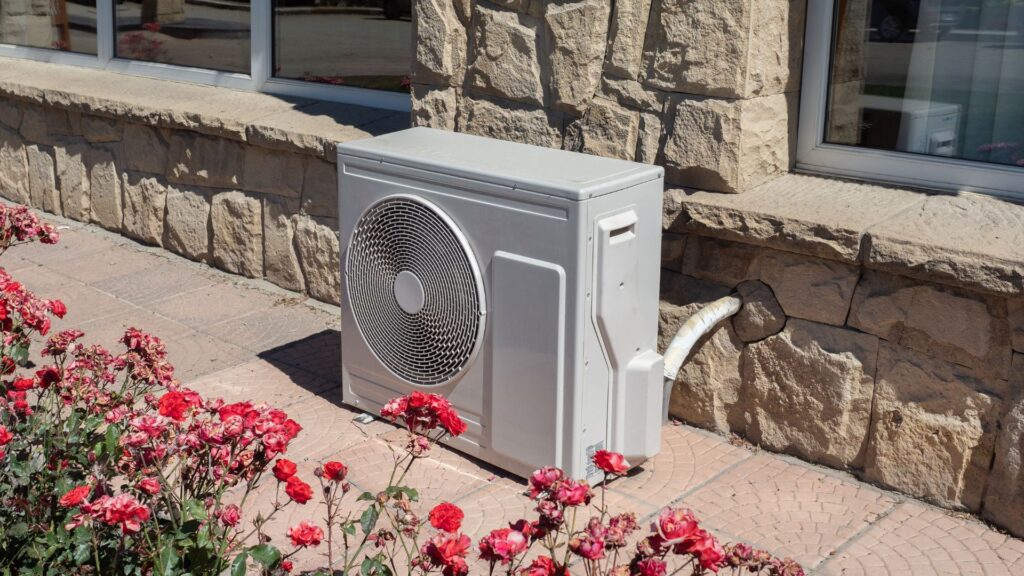
Step 4, outdoor unit placement on older properties
The outdoor unit needs the right location for:
- airflow
- access for servicing
- tidy pipe runs
- sensible noise placement
- minimal visual impact where possible
Older homes often have more choices, outbuildings, side returns, gardens, garages, but they can also have constraints like access limitations or tighter boundaries.
A professional site survey confirms the best placement and avoids awkward compromises later.
Step 5, are heat pumps worth it for older homes in Newton Abbot?
For many homeowners, the answer is yes, as long as:
- the property is assessed properly
- the system is designed around the home
- any needed upgrades are identified and planned
- expectations are set correctly around steady heating
Heat pumps are often especially attractive for:
- homes moving away from oil or LPG
- homeowners planning long term efficiency improvements
- properties combining heating upgrades with solar PV and battery storage
The right design is what makes it worthwhile.
Funding support, Boiler Upgrade Scheme (BUS)
If you are in England or Wales, you may be eligible for the Boiler Upgrade Scheme, which can reduce the upfront cost of installing a qualifying heat pump.
Read our full guide here:
Boiler Upgrade Scheme guide
For local installation support, visit:
Heat Pumps Newton Abbot
Frequently Asked Questions
Do heat pumps work in stone or older solid wall homes?
They can. The key is assessing heat loss properly and designing the system accordingly. Some properties benefit from targeted insulation or radiator upgrades.
Will I need to replace all my radiators?
Not always. Many homes only need radiator upgrades in certain rooms. A survey will confirm what is needed.
Will the house feel warm enough?
Yes, if the system is designed correctly. Heat pumps deliver steady comfort rather than short bursts of high heat.
Can I keep my existing boiler as backup?
In some cases, staged approaches are possible, but the best route depends on your property and goals. This is something we can talk through during a survey.
If you own an older home in Newton Abbot and want to know whether a heat pump is suitable, the best next step is a proper survey and honest advice.


