M&E Contrax Resources
Choosing the Right Solar Installer

Resource Highlights:
Independent installers are often more flexible and can design around complex roofs and real usage patterns.
Large energy companies may offer standardised packages and may use subcontractors for installation.
The best installer is the one who designs the right system, installs it well, and supports you properly after handover.
Local Independent vs. Energy Company
When you are investing in solar panels, the installer you choose matters just as much as the equipment. Some customers prefer the scale of a large energy company, others prefer the flexibility and accountability of an independent installer. The best choice comes down to how much you value bespoke design, communication, and long term support.
This guide explains the key differences, what to look out for, and how to choose the option that delivers the best performance and value for your property.
Tailored and flexible system design
Independent installers often treat each property as a unique project rather than fitting a one size package. This can lead to better real world performance, particularly on roofs with shading, unusual layouts, or limited space.
What this usually looks like in practice
Customised design based on your roof, energy use, and future plans
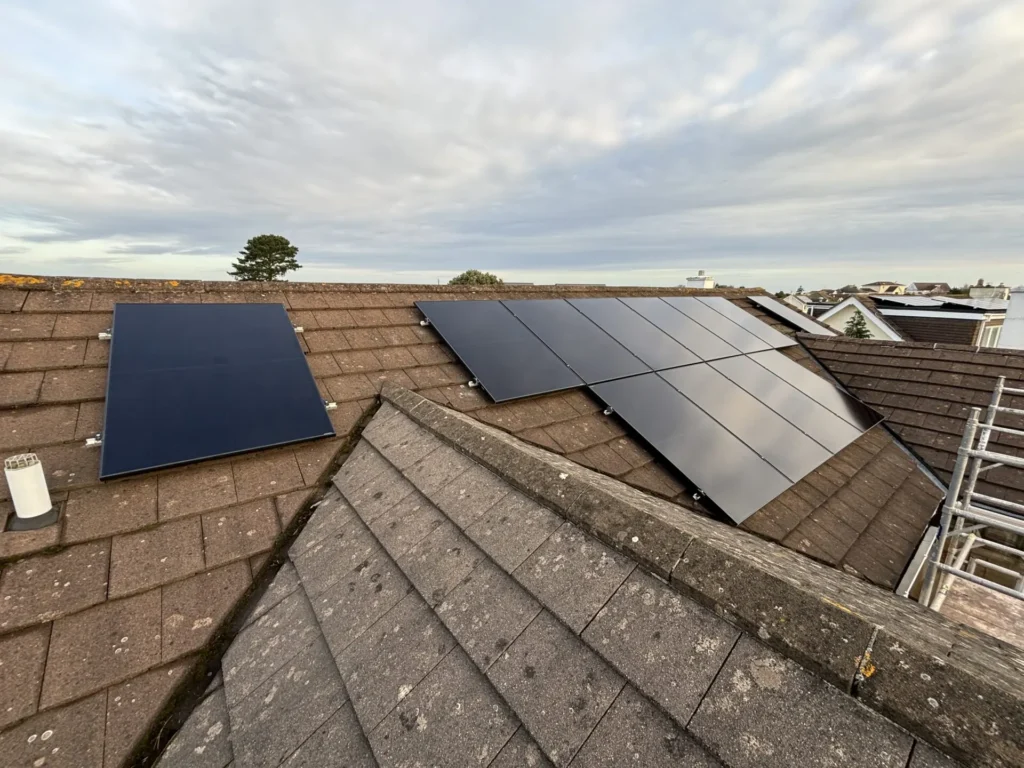
Willingness to handle complex installs such as slate roofs or unconventional roof shapes
Broader equipment choice, because many independents are not tied to one manufacturer and can recommend the best fit for the job
With larger energy companies, systems are more likely to be delivered as a standard package, which can be fine for simple roofs, but may be less adaptable for complex properties.
Personal service and accountability
Solar is a long term investment, so clear communication and support are essential. Many customers value knowing exactly who they are dealing with and being able to speak to someone who understands the design and the installation.
Key differences you may notice
Direct communication is more common with independent firms, often with the owner or lead project manager
In house installation teams are typical for local installers, which can improve consistency and quality control
Higher accountability, because reputation and word of mouth matter locally, and long term support is often part of the relationship
Larger energy companies can still deliver good outcomes, but communication may be more layered, and installation is sometimes delivered via third parties.
Long term value and local expertise
Cost matters, but value is about more than the headline price. A system that is designed properly and supported well can deliver better performance over time and fewer headaches if you ever need help.
What can influence long term value
Pricing, often competitive because smaller firms may have lower overheads than national companies
Local knowledge, including familiarity with regional planning considerations and common property types
Faster support, because a local team can often respond more quickly if you need advice, maintenance, or repairs
For many customers, the biggest benefit is confidence, knowing the installer is nearby and invested in the long term performance of the system.
Upgrades and future proofing
If you are investing now, it is worth thinking ahead and having a local company who remembers your project, understands your home or business, and is able to visit to discuss your upgrades is fairly critical.
Even if you start with solar panels, you may want to add the following:
battery storage to increase self consumption
EV charging for home or business use
additional panels if usage increases
smart controls to better align usage with generation
The best designs allow for future upgrades without needing to replace everything later.
How to choose the right installer
Rather than focusing only on price, look for signs of good design and good process.
Questions worth asking any installer
How have you sized the system around my usage, not just my roof space?
How will you handle shading, chimneys, or multiple roof faces if relevant?
Who will actually install the system, in house team or subcontractors?
What monitoring will I get, and what does “good performance” look like seasonally?
What support do you provide if something needs attention in the future?
Can I add a battery later, and is the system battery ready?
A quality installer should answer clearly and provide a quote that is detailed, transparent, and easy to compare.
Frequently Asked Questions
Not always, but national firms often have larger overheads and may use packaged pricing. The best comparison is a like for like specification, with the same panel, inverter and warranty standards.
Not automatically, but independent installers are often able to offer a wider choice because they are not tied to one manufacturer. What matters is suitability, warranty, and design quality.
Very. Monitoring, servicing, and quick access to support can protect long term performance and keep your system running efficiently.


Download a copy of this resource
Our resources are available for you to download, enter your details below and we will e-mail you a download link.


